Care as Communication: Reflections from a DLSU OrgComm Thesis
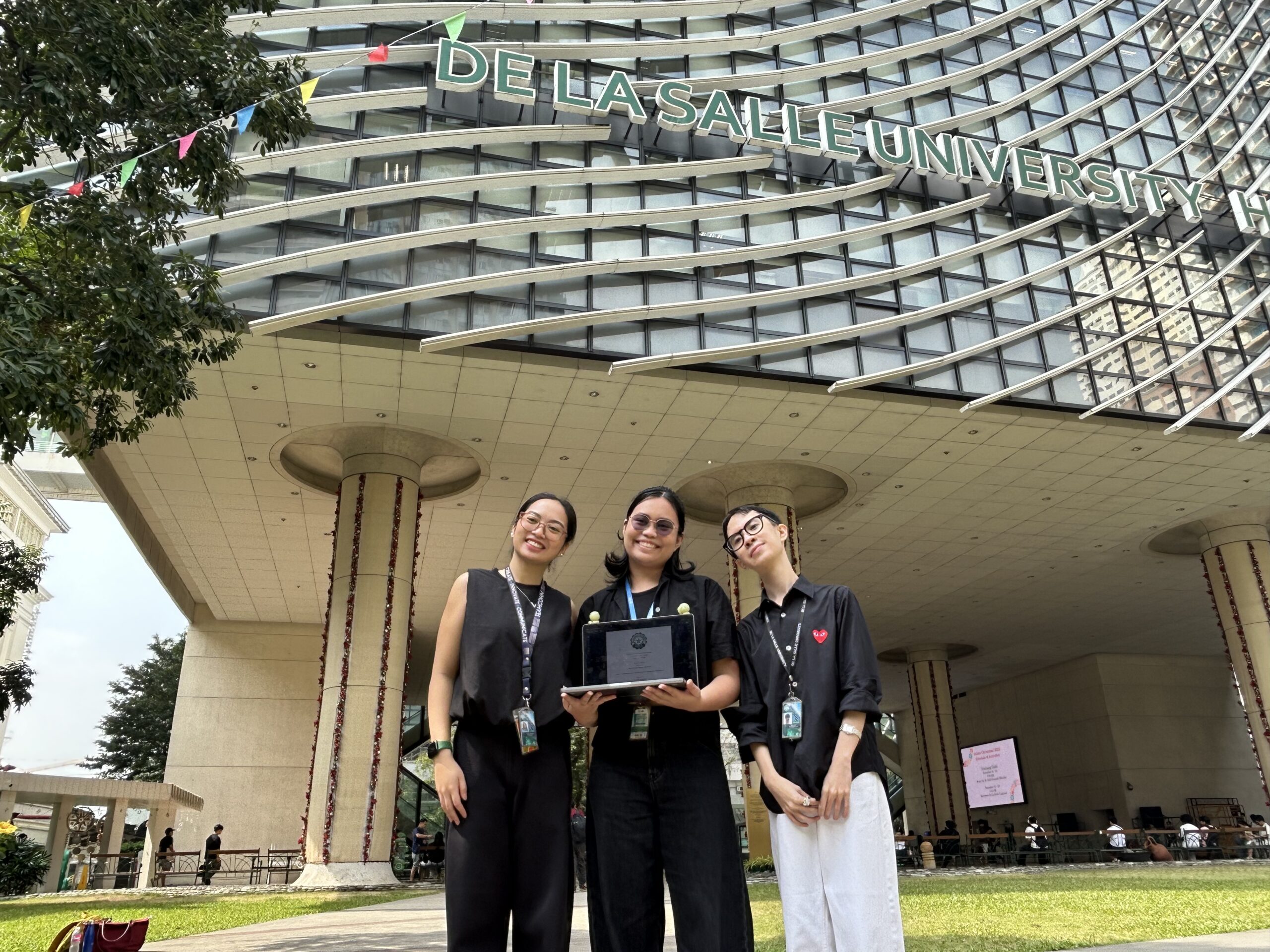
This piece is written by Gabby, Kai, and Richmond, graduates of the AB Organizational Communication program at De La Salle University–Manila. It is based on their undergraduate thesis, “Care as Communication: Exploring Lunas Collective’s Compassionate Communication.” Through their work, they aim to foster meaningful connections through communication grounded in the values of feminism, inclusivity, and accessibility. Beyond their academic and professional pursuits, they advocate for creating safer spaces within their communities.
Group Reflection:
In a world where pressure comes from all directions, organizations are exploring avenues to better connect with their members and constituents - and care serves as a powerful conduit for this.
Working with Lunas Collective for our thesis, we individually had our realizations about valued communication and its effect on a team that truly cares and nurtures others.
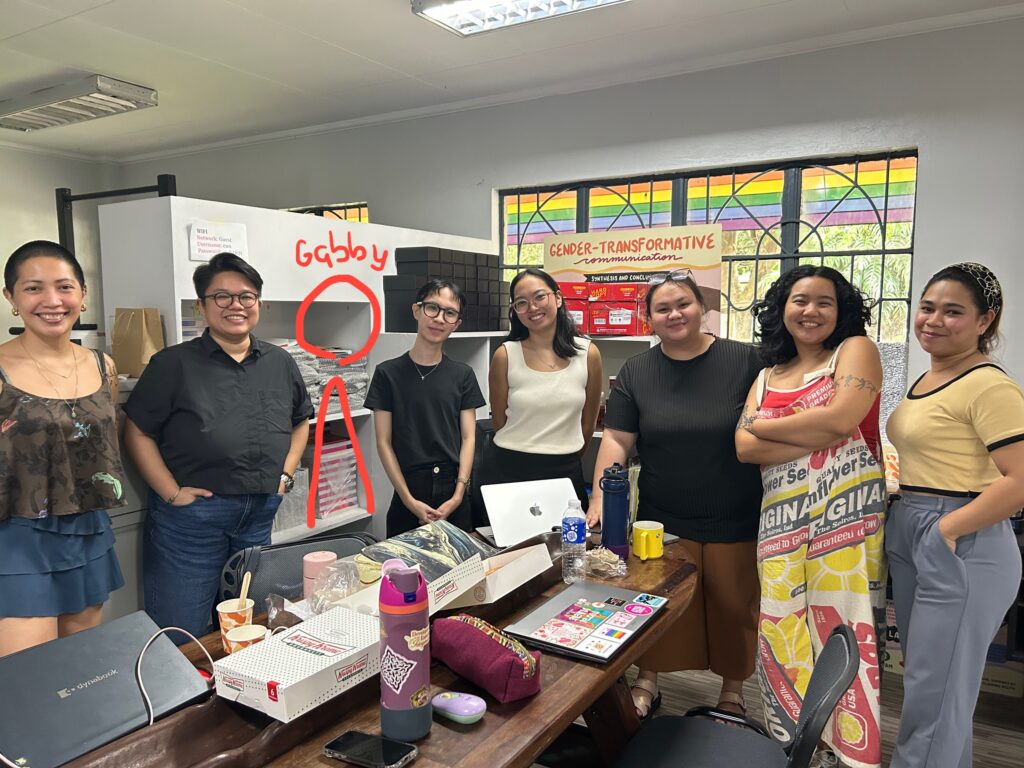
First, we saw the impact and significance of an organization going beyond rigid structures and bureaucratic processes and instead, recognizing the power of dialogue, compassion and emotions. People would be surprised how much professional kindness has an effect on their audience, as exemplified by Lunas Collective’s practices.


Second, our personal interactions with them pushed our drive to highlight the kind of work that Lunas Collective does for the communities they passionately support. We appreciated how they use their everyday words and time to support and transform lives towards continued self-discovery, healing, and empowerment.
As we present this thesis paper, we share that its creation demonstrated a lot of compassion and openness to learn about communication that is formed through principle and intention. Through shared experiences and conversations with the org's core team and volunteers, our understanding of [the Lunas Collective Feminist Care Principles] continued to unfold. Each meeting sparked deeper curiosity, revealing just how rich, nuanced, and interesting their history, culture, and practices are.
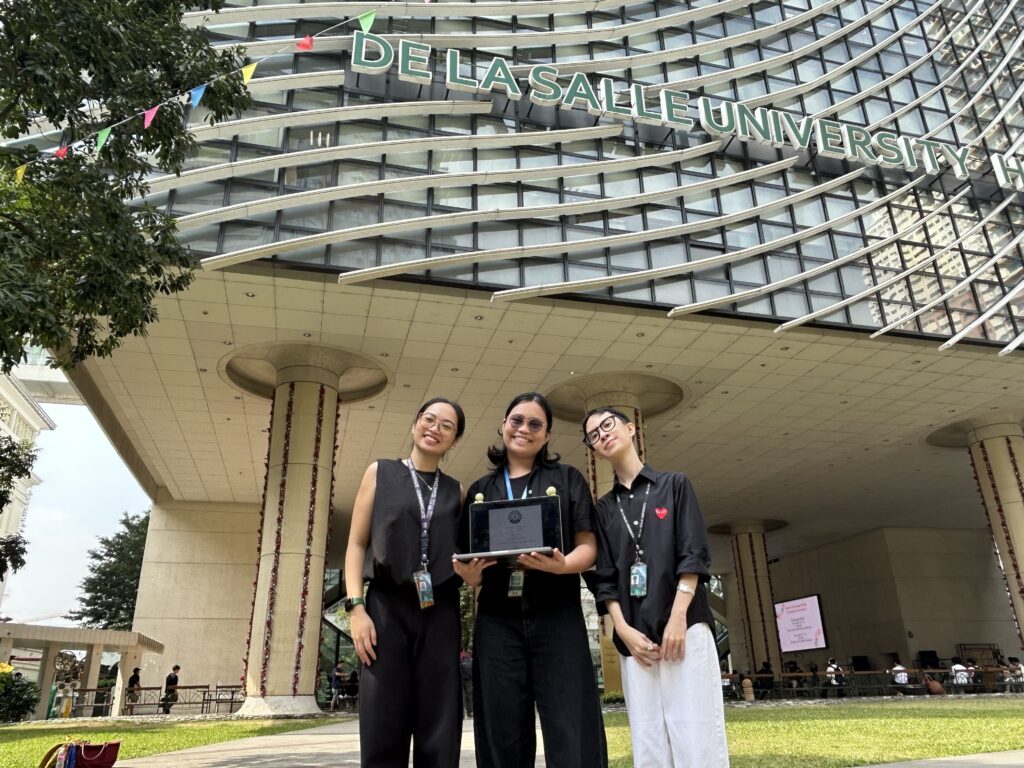 Thank you, Lunas, for your unwavering support! We are proud to be able to integrate our academic wisdom into your meaningful platform, and we hope that our readers find that same spark and admiration we found here.
Output Summary:
At Lunas Collective, care is more than a value—it is the heart of how the organization shows up for one another and for every person who reaches out. This study explored exactly how care manifests itself as compassion unfolds in Lunas’ day-to-day work. The research looked at how the core team communicates compassion to their vollies, and how vollies communicate care with each other and with service-users.
The study showed how deeply compassion is woven into Lunas’ culture and communication. Drawing from Miller’s (2007) framework of Compassionate Communication, the research showed how this principle guides every interaction, specifically how they compassionately notice, connect, and respond. Most importantly, the study identified Lunas Collective’s communication style to be Dialogic Reflection, in which vollies aid in the service-users’ introspection instead of enforcing concrete solutions through clean language and active listening.

Feminist Approaches to Mental Health: Reflections from GMHAF 2026
This piece is written by Janine Del Mundo, one of the Co-Executive Directors of Lunas Collective.
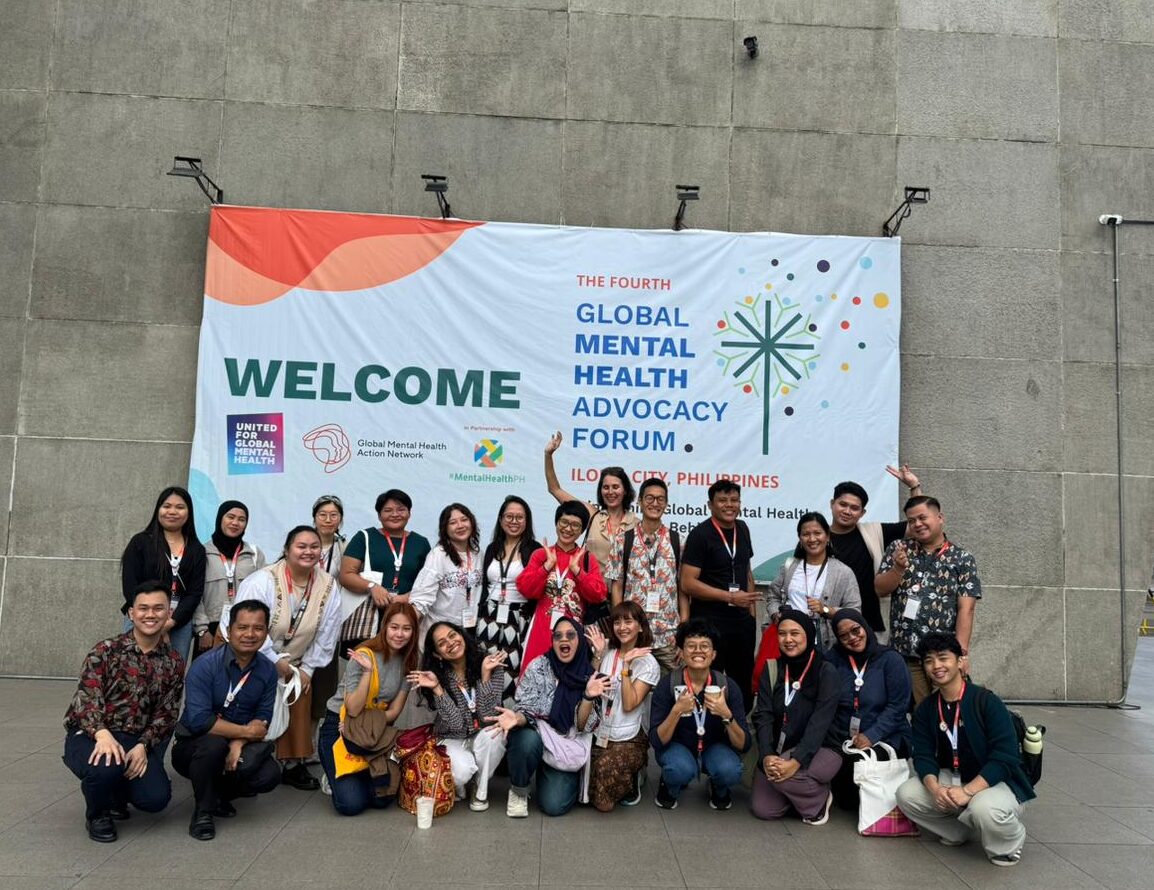
It has been a month since the fourth Global Mental Health Advocacy Forum (GMHAF), convened by the Global Mental Health Action Network (GMHAN) and hosted by United for Global Mental Health, in Iloilo City, Philippines.
We at Lunas Collective, as part of the AwareNest Community of Practice (CoP)—funded organizations whose participation in the forum was supported by EMpower - The Emerging Markets Foundation—are now mapping ways to translate the forum’s learnings into concrete outcomes.
More than a space for networking, the forum affirmed the legitimacy of organizations integrating mental health into their work, such as Lunas Collective, a feminist organization focused on addressing gender-based violence (GBV) and sexual and reproductive health (SRH) concerns in the Philippines.
In our context, civil society and nonprofit organizations are often the first line of support that people turn to, especially for concerns rooted in sociopolitical struggles. Organizations like ours help build community resilience amid persistent challenges in accessing healthcare.
At Lunas Collective, we are deeply aware of the barriers people face when seeking help for experiences of GBV and their SRH needs. Because of this, we take extra steps to thoughtfully connect individuals to diverse forms of care and services. For example, we prepare them for possible challenges when approaching healthcare and service providers who may not yet be fully sensitive to the kind of care and support they need—especially when their concerns are considered taboo. In doing so, we create space to share and exchange strategies on how to engage with an imperfect healthcare system.
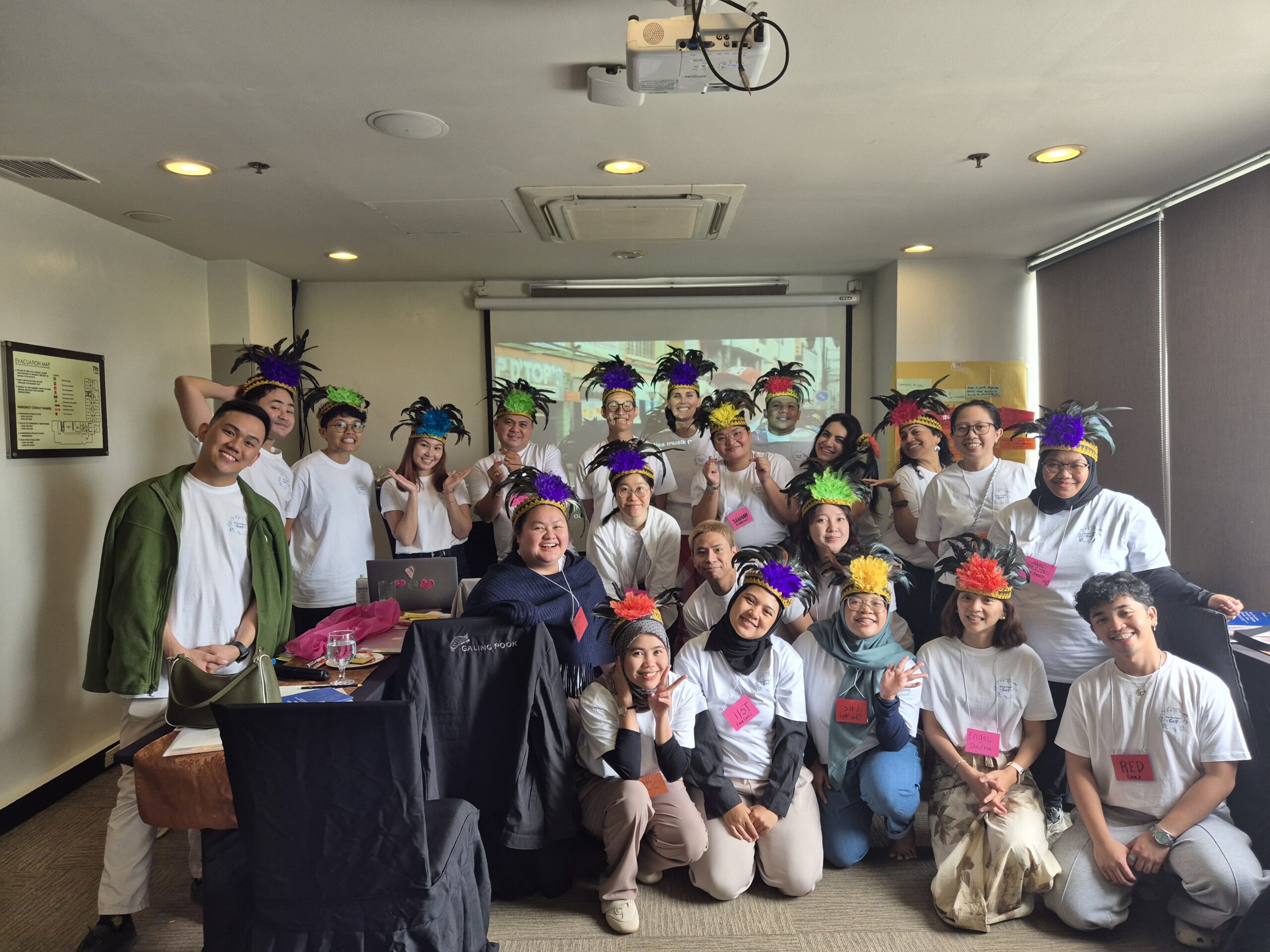 Relatedly, the one-day post-GMHAF CoP workshop highlighted the need for organizations working with grassroots communities to integrate mental health and SRH services. Mental health challenges do not exist independently of the social conditions in which people are situated. A coordinated mental health and SRH service will only affirm that our experiences are embodied, diverse, and contextual. Integrating mental health and SRH services is an area that Lunas Collective is intentionally advancing.
Given these realities, it is only right for organizations with a social justice and feminist agenda to claim space in forums like GMHAF and in the broader mental health landscape.
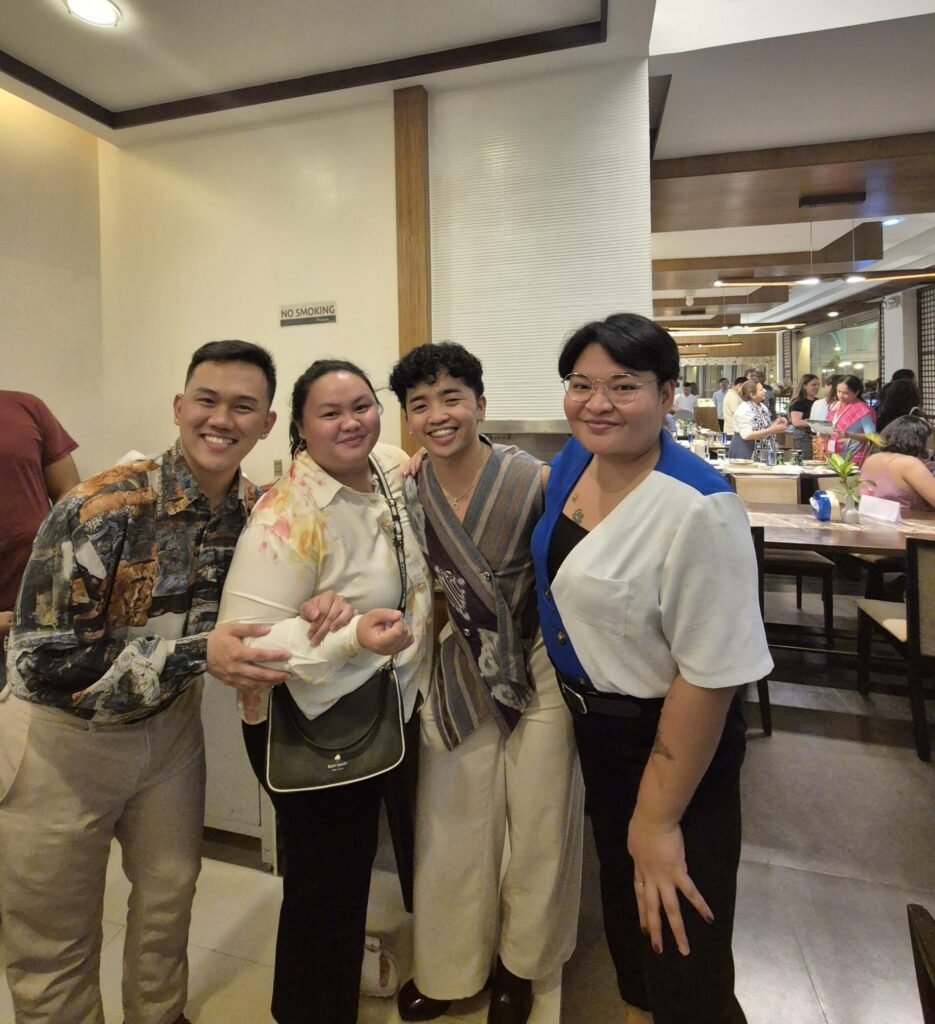
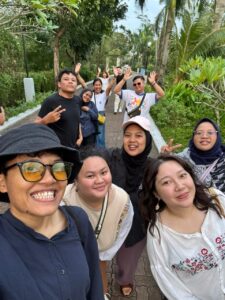
On a more personal note, as a formally trained mental health practitioner, my ethics and practice have been shaped by my work with Lunas Collective. Rather than limiting mental health care to traditional one-on-one counseling sessions, we continue to work toward designing spaces and systems that make care accessible, sustainable, and replicable—while remaining open to feedback, improvement, and collaboration.
Our volunteer-powered chat helpline reflects this approach. It is work that thrives on power-sharing between service providers and those who use the services.
This is the kind of work being carried out by organizations across sectors—Lunas Collective included—that recognize mental health not as a standalone service, but as a shared, community-rooted responsibility.

Janine Del Mundo is a psychologist-in-training based in the Philippines who integrates mental health with advocacy for human rights and sexual and reproductive health. She serves as one of the Co-Executive Directors of Lunas Collective, and she led the rebuilding of the organization’s chat helpline after the pandemic.
