On Narratives and Mental Health: Lunas Collective at PETA’s Workshop Caravan
This piece is written by Julienne Estabaya, a volunteer for Lunas Collective who participated in the Control + Shift: Narrative Change workshop held on March 13 and April 7, 2026.
Drawing from her experience as a participant, this piece reflects Julienne’s observations and insights on the role of narratives in shaping conversations around mental health, and on how creative approaches can help foster agency, care, and collective change.
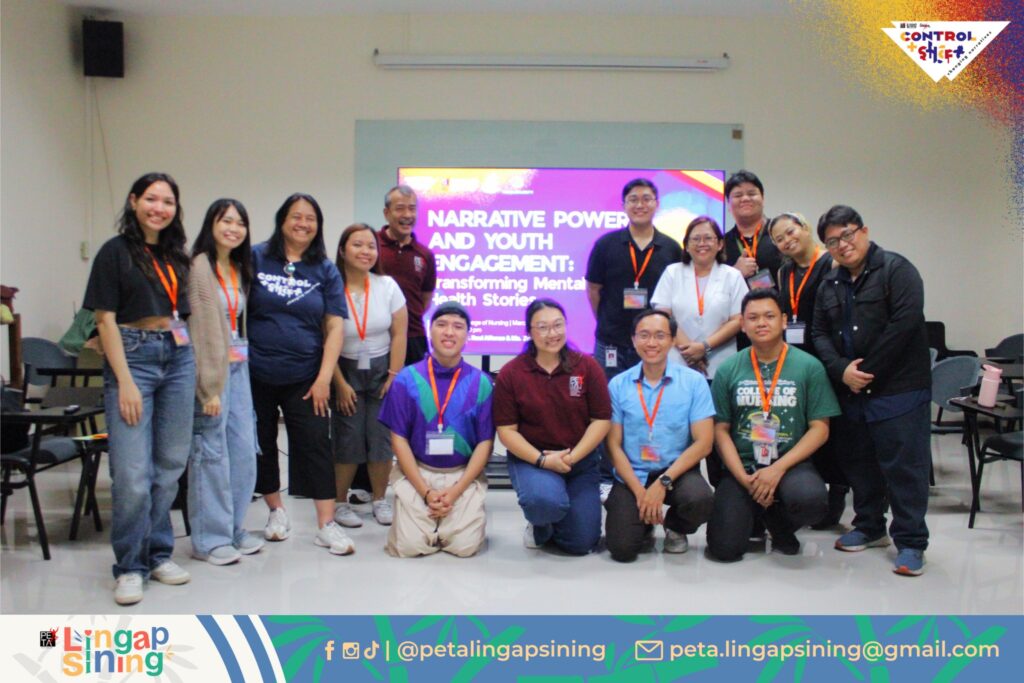
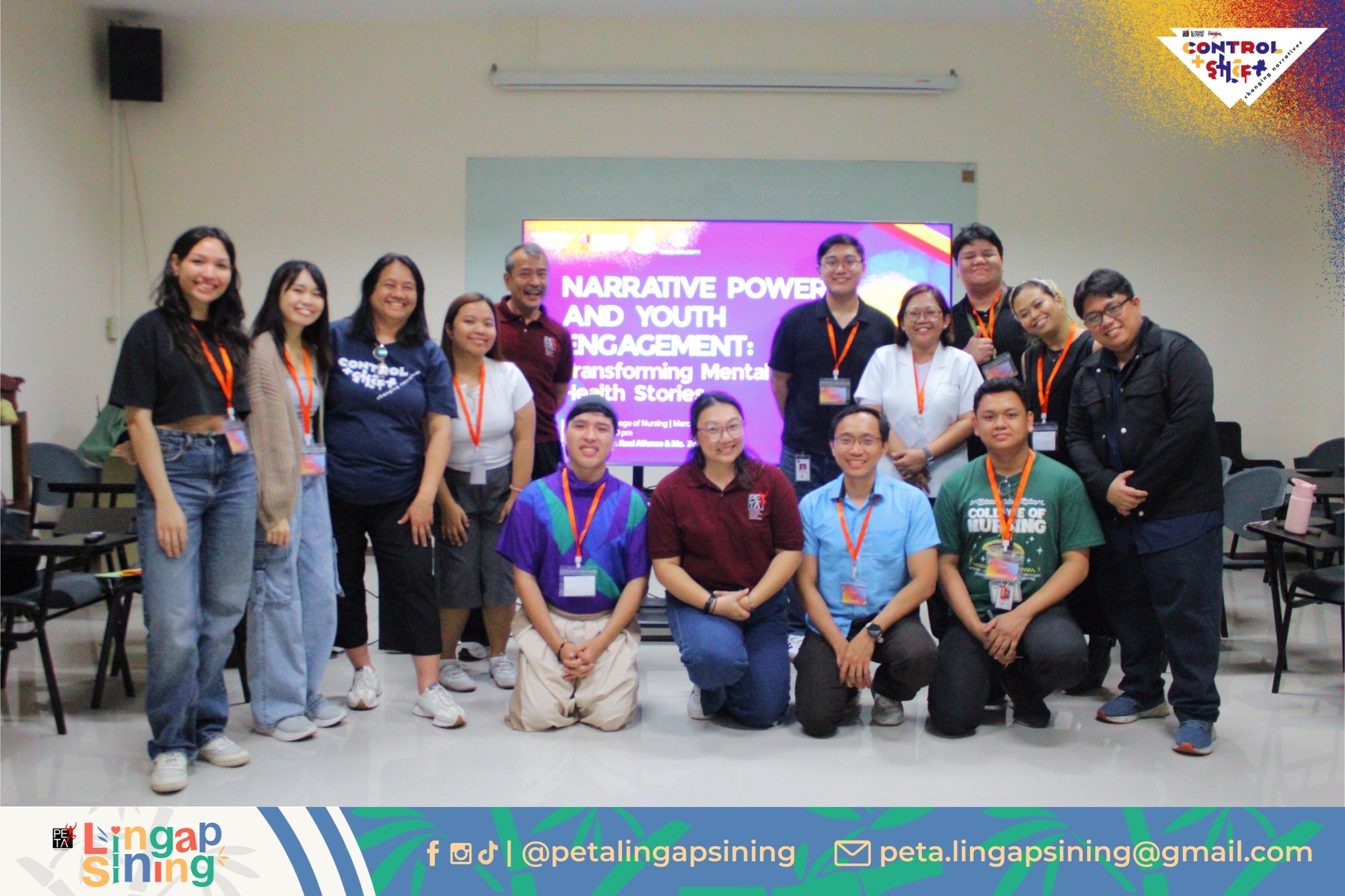
Over the course of two sessions, participants from Lunas Collective, Mental Health PH, and the UP Manila College of Nursing gathered at Sotejo Hall on the UP Manila campus for a workshop organized by PETA Lingap Sining. Together, we examined prevailing narratives surrounding mental health in the country and explored creative interventions that could support and amplify transformative narratives within our respective organizations and programs.
After a series of icebreakers tastefully imbued with theatricality, we officially kicked off the workshop by exploring the stories we know most intimately and tell most often: our own. Through both traditional and digital creative mediums—think blind contour drawing, improvisation, and video production—we examined the various elements that make up our identities: our preferences, the meanings we assign to our names, and the ways we wish to be seen by the world, among many others.
These exercises highlighted a fundamental truth about narratives: objective facts may remain the same regardless of how we tell a story, but meaning is shaped by how those facts are arranged, framed, and shared.
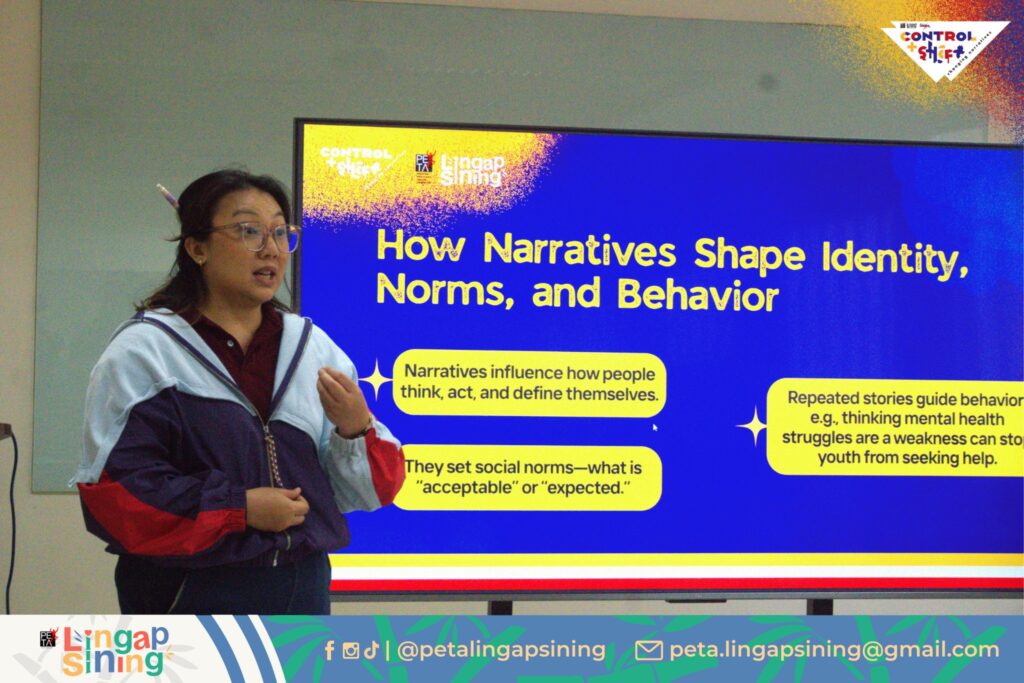
Whilst individual narratives are important, it is equally crucial to examine the conditions that shape them. Individual narratives, including those around mental health, are not spun in a vacuum; they are largely informed by our immediate environments and broader cultural contexts. We talked about the myriad of social determinants–like financial/economic status, or cultural beliefs, that can significantly impact one’s narratives surrounding mental health, and how they can also influence whether or not we decide to seek help or care.
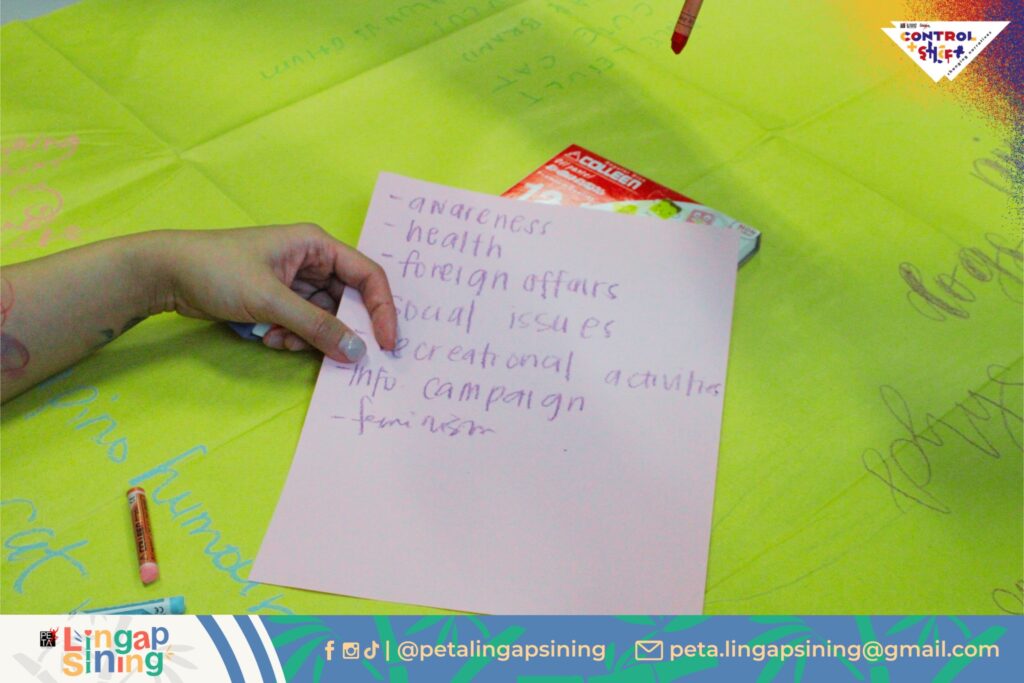
As the workshop progressed, our focus expanded from our personal stories to the broader ecosystems in which they exist. Participants broke into groups to discuss dominant and harmful narratives surrounding mental health, then reimagined them into narratives that foster agency, solidarity, and collective action through creative approaches.
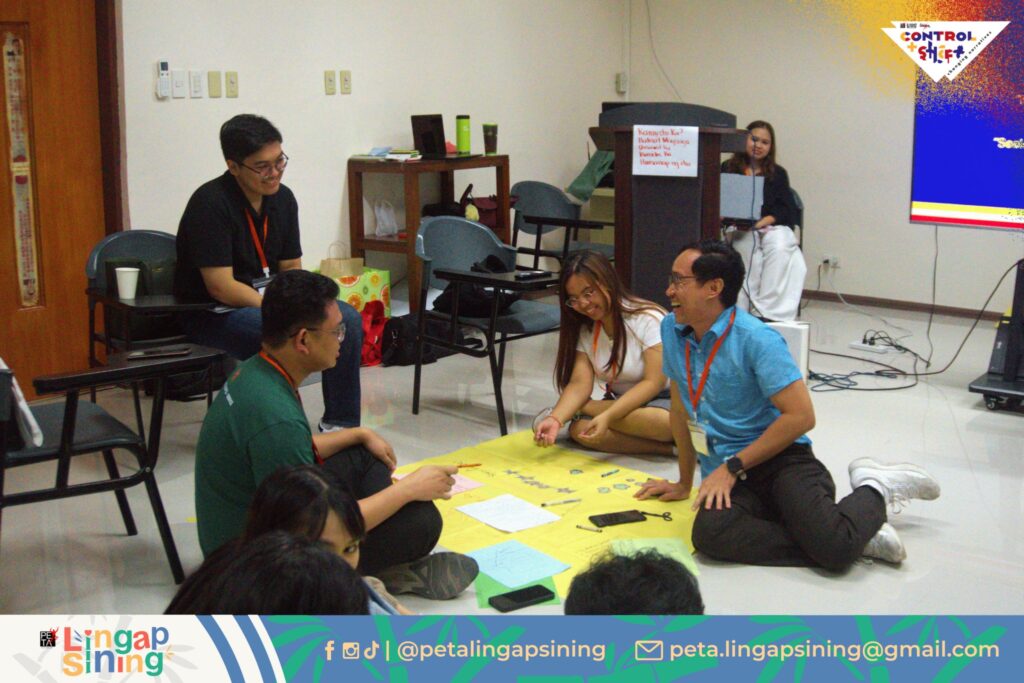 That we found ourselves returning to these conversations even after the workshop—going so far as extending the dialogue with people outside of it—speaks to both their resonance and relevance.
In many ways, the workshop felt like an extension of our advocacy and work at Lunas Collective. We understand that the patriarchy, alongside its intersectionalities, produces conditions that are ripe for gender-based violence, as well as barriers that could prevent individuals from seeking help - barriers rooted in shame, guilt, and/or fear of judgment. It was within this context that our helpline was established, as a response to the urgent need for feminist and survivor-centered psychosocial care for people with lived experiences of gender-based violence and/or reproductive health concerns. That it remains volunteer-powered points to a collective willingness to show up for one another, and highlights the role of community in making care more accessible, and in inspiring the possibility of meaningful and lasting change.
